Expert Insights from Our Partner Network
Why Water and Wastewater Utilities Still Struggle with Data Visibility
Why Water and Wastewater Utilities Still Struggle with Data Visibility
Why Water and Wastewater Utilities Still Struggle with Data Visibility

Most water and wastewater utilities already operate SCADA systems, yet fragmented data, alarm overload, and disconnected operational tools continue to limit visibility and decision-making. Learn how unified SCADA platforms help utilities connect operational data, improve situational awareness, reduce risk, and support digital transformation initiatives.
Your Legacy PLCs Were Never Built for This
Why Water and Wastewater Utilities Still Struggle with Data Visibility
Why Water and Wastewater Utilities Still Struggle with Data Visibility
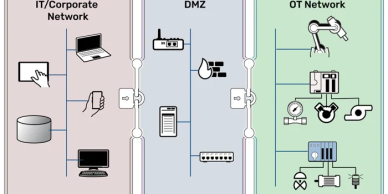
That's the core tension driving network segmentation in industrial automation: the data must flow upstream, but the devices that produce it can't be exposed. You need to get data off the plant floor without turning every legacy device into an attack surface.
Enabling rapid, wide-scale NRW leak detection logger deployment
Why Water and Wastewater Utilities Still Struggle with Data Visibility
Enabling rapid, wide-scale NRW leak detection logger deployment

The managed system supports leakage teams by completing much of the upfront data analysis for users, enabling faster deployment of loggers on a wider scale, and automatically identifying points of interest (PoIs) using advanced correlation techniques.
Building Industrial Data Systems You Actually Own
The Evolution of SCADA: From Monitoring Systems to Operational Intelligence
Enabling rapid, wide-scale NRW leak detection logger deployment
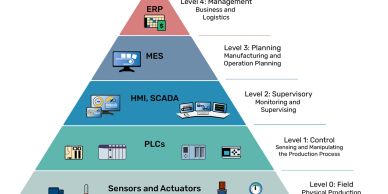
This paper explores a practical question: can you design an industrial data architecture that scales cleanly, reduces vendor lock-in, and avoids repeated licensing costs—without replacing the control systems that already work?
The Evolution of SCADA: From Monitoring Systems to Operational Intelligence
The Evolution of SCADA: From Monitoring Systems to Operational Intelligence
The Evolution of SCADA: From Monitoring Systems to Operational Intelligence
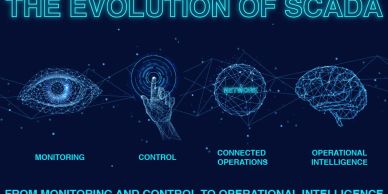
SCADA is evolving from traditional monitoring and control into a platform for connected operations and operational intelligence. Learn how modern organizations are using intelligent SCADA to connect OT, IT, and IIoT data, improve visibility, support analytics, and transform operational information into actionable operational and business insight.
Why Should I Use a VFD Instead of a Soft Starter for Lift Station Pumping?
The Evolution of SCADA: From Monitoring Systems to Operational Intelligence
The Evolution of SCADA: From Monitoring Systems to Operational Intelligence

Decision makers in lift station pumping systems are left with a crucial decision: choosing between a Variable Frequency Drive (VFD) and a soft starter. Both devices control the operation of pumps, but they do so in different ways and offer distinct advantages. It is important to assess what your operational goals are before making this decision to ensure you are getting the most out of your investment.